Cutting your marketing when the economy slows is one of the most expensive 'savings' a business can make.
When times are tough, people turn to brands they know and trust, and the businesses that go quiet are handing that trust to whoever keeps showing up.
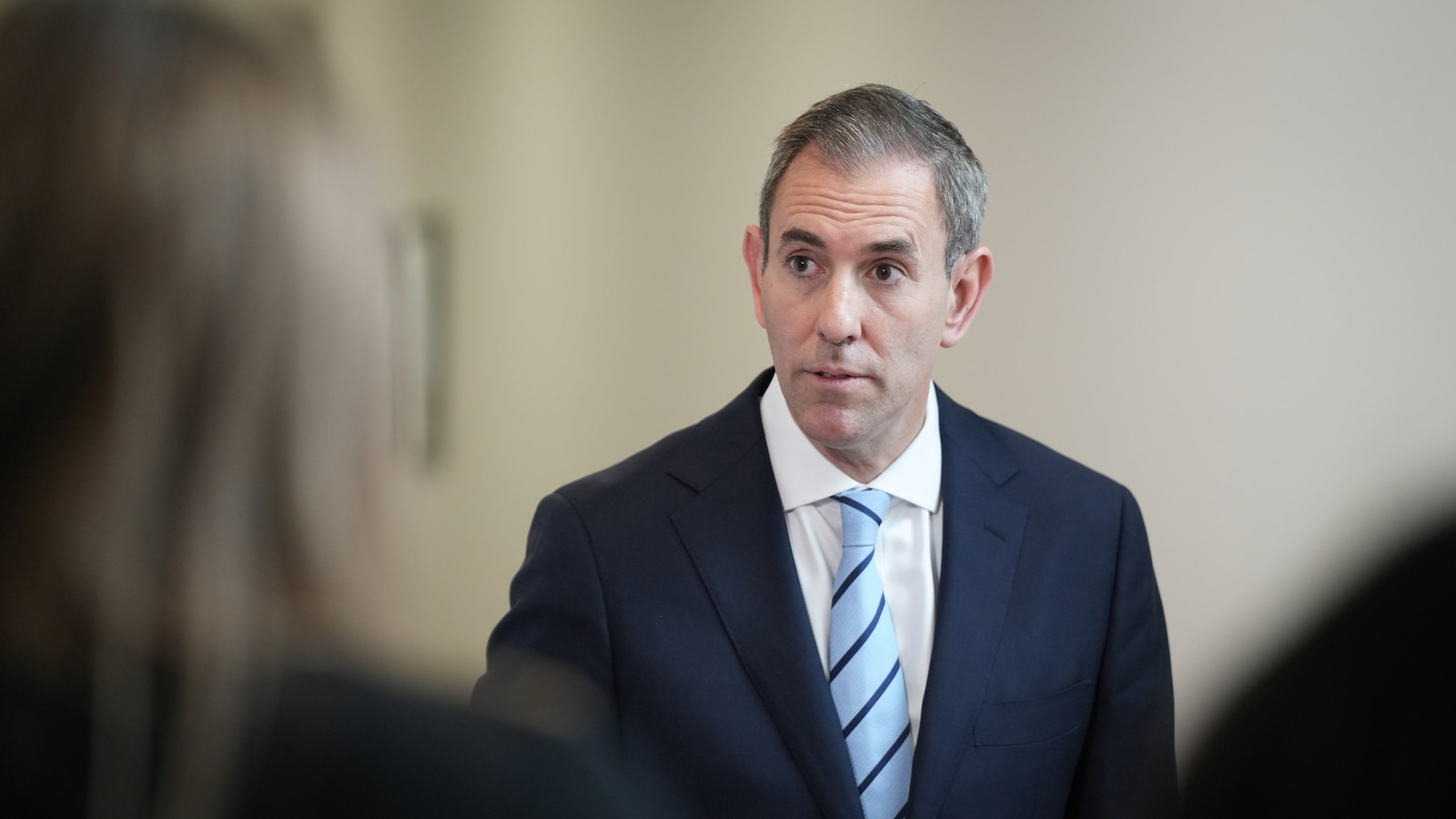
On 23 November Treasurer Jim Chalmers flagged net spending cuts in the mid-year budget update. Treasury now expects unemployment to peak above 5 per cent, growth to stay well below 2 per cent for the next two years and inflation to sit outside the Reserve Bank's target band until the end of 2027, after five rate rises this year. No recession is forecast, but he warned that things might get a bit harder before they get easier. Inside a business, that lands as a spreadsheet with a red line through it.
Marketing is usually one of the first rows someone highlights, because it's the cost that feels easiest to switch back on later. It's also the cut most likely to cost more than it saves.
Buyers retreat to familiar names when money gets tight, and that's why 'brand' matters right now
Spending doesn't stop in a downturn. It gets careful. People still buy, but they take fewer chances, and the safest-feeling choice is to pick the one they've seen before. Edelman's 2025 brand trust report found 80 per cent of people trust the brands they use, more than they trust business, media or government. It also found trust now sits alongside quality and price when people decide what to buy, and that under economic pressure they go looking for familiarity and stability. A known name feels like less of a gamble.
Business buyers behave the same way, with more at stake because their own job is on the line if a new supplier lets them down. In 6sense's 2025 buyer research, 70 per cent of B2B buyers said economic concerns affected which vendors made their shortlist, often steering them towards incumbents or suppliers they already knew. Getting onto a shortlist is hard at the best of times. Getting onto one during a downturn, as a name the buyer hasn't heard of, is harder again.
The mood has already turned. The NAB Monthly Business Survey for October had business confidence at minus 15 and forward orders down 11 points, with retail the weakest industry. Xero's small business data showed sales growth of 5.2 per cent in the September quarter, below the long-term average of 7.8 per cent. So the useful question for next year is whether your business will be one of the names people already know when they decide where the smaller budget goes.
Trust like that takes years to build, and it's easy to underrate because it doesn't show up on an invoice. Franklyn Blinds had the opposite problem to most businesses during COVID. With everyone working from home, demand boomed, so they cut their usual marketing spend and still enjoyed a few bumper years. When customers are coming to you anyway, pulling back is a sensible call, and it cost them very little. Or did it? Because now we arrive at a slowdown, and is the brand in a healthy place? Now that people are reining in their spending, Franklyn's brand is in need of a little TLC. We're working with them on a website redevelopment as we speak. Watch this space.
Your brand is the asset a downturn tests. You don't need a new idea to get through a tough year. You need to look after the one that's central to what people know.
What can you do to cut marketing waste?
Most marketing budgets carry some dead weight. There's usually a channel that's been running for years because nobody wanted to be the one to stop it, or a campaign that never really earned its money. Go through the spend line by line and cut that first. What you keep is the work that keeps you familiar to the people most likely to buy.
Start with the customers you already have. They know you, they've taken the risk on you once and they're the cheapest sale you'll make next year. A downturn is a good time to contact them, fix the small annoyances they've been putting up with and give them a reason to stay loyal. Keep your brand consistent while you do it.
Then make buying from you feel safe. Familiarity comes from the same look, voice and promise showing up again and again.
This is the year to get your brand guidelines spot on.
Show prices clearly, put real proof where people can see it, stand behind your work with a guarantee you'll actually honour and make sure there's a person they can talk to. Careful buyers are looking for reasons to say yes without feeling exposed.
Price still matters, and it would be naive to pretend otherwise. McKinsey's 2026 Australian loyalty research found more than half of consumers now look for deals on every purchase, and many are trading down in some categories. Trust won't excuse a price that feels out of step. The answer is to articulate the value people get, and to resist discounting so hard that you train customers to wait for the next sale.
If you're a marketing manager taking this to the board, talk about where the business will stand when the recovery comes. Agree on a minimum level of visibility you won't drop below, and track whether you're holding it. In B2B, the job is simpler to describe and harder to do: stay on the shortlist, because buyers are falling back on the suppliers they know.
Going quiet bites the hand that feeds you
The evidence on going dark is blunt, and it should end the argument in most boardrooms. Uni of SA Ehrenberg-Bass researchers tracked Australian beer, cider and spirit brands that stopped advertising, published as When Brands Go Dark. On average their sales fell in the first year and kept falling in every year they stayed off air, and smaller brands fell faster. Silence gives your share to whoever keeps talking.
Recovery is where it shows. PIMS analysis of around 1,000 business units through past downturns, cited by the Advertising Council Australia, found businesses that increased their share of voice gained more market share in the first two years of recovery than those that cut. There's an upside in the timing too. When competitors pull back, holding your share of voice costs less than it normally would.
Kantar is careful to note that the advice to keep investing has exceptions. If your whole category is shrinking, or the business simply can't fund it, cutting may be the right call. Most businesses aren't in that position. They're nervous, which is understandable. Nerves are a poor reason to disappear, and the competitors who stay visible will be glad you did.
Ultimately, your customers' trust is what feeds the business. If next year gets tight and your customers are nervous about where to spend, then going quiet is the equivalent of biting the hand that feeds you. Keep showing up, because people will inevitably decide to spend again.